Fire and Smoke Damage Restoration in Arizona
A house fire triggers two separate damage events that both need professional attention. The first is obvious: burn damage to structure, materials, and contents. The second is less visible but often extends further: smoke and soot penetrating every air-connected space, depositing acidic residue, embedding odor into porous surfaces, and compromising air quality throughout the home.
Arizona Total Home Restoration handles both. We’re IICRC certified, we respond 24/7, and we manage fire and smoke restoration from emergency response through complete reconstruction; one company, every phase.
Fire Damage Doesn't Stop at the Burn Line
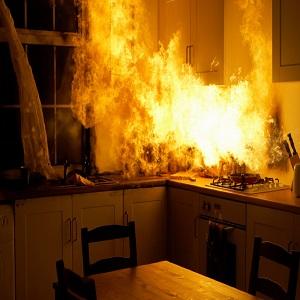
Most homeowners are surprised to find how far smoke and soot damage travel from the fire origin. Heat-driven air carries particles through HVAC systems, under door frames, and into wall cavities. In a two-story home, a first-floor kitchen fire can deposit soot residue in upstairs bedrooms within minutes. The HVAC system can distribute smoke odor to every room in the house during the event.
This is why fire damage scope is always larger than it appears on first look and why documentation needs to capture the full extent before mitigation begins. Scoping only what’s visibly burned leads to incomplete remediation and claim underpayment. Here is more about our residential and commercial claims processes.
Does Your Insurance Cover This Type of Fire Damage?
Most homeowner’s insurance policies cover fire damage regardless of cause — but the claims process varies depending on how the fire started. ATH works with all major carriers and here’s what Phoenix and Mesa homeowners typically see:
- Cooking Fires - almost always covered under standard homeowner's policies. Most common cause of residential fires in Arizona.
- Electrical fires & wirings issues - covered, but insurers may require an electrical inspection before reconstruction begins. ATH documents everything needed to satisfy this requirement.
- Heating equipment - covered under most policies. Common in older Mesa and Phoenix homes with aging HVAC systems.
- Wildfire & Brush Fires - covered under standard homeowner's policies in most cases, though some high-risk zone properties in Arizona may require separate fire riders. Call us and we'll help you understand your coverage.
- Arson - if caused by a third party, typically covered. If owner-caused, not covered. ATH works with your adjuster to document the origin accurately.
Not sure what your policy covers? ATH handles adjuster communication directly. Call (480) 207-7011 and we’ll help you figure it out on the first call
Our Fire and Smoke Damage Restoration Process
Step 1: Emergency Response
- We answer live at (480) 207-7011 around the clock. When you call after a fire, you reach a technician directly. We're typically on site within 30 to 60 minutes across our Arizona service area. Our first actions are documenting the damage thoroughly and stabilizing the structure.
Step 2: Full Damage Assessment
- We assess both the burn damage and the smoke damage extent separately. Moisture from fire suppression is also documented -- suppression water creates its own structural damage and mold risk if not addressed immediately
Step 3: Smoke & Soot Removal
- Different surfaces require different cleaning methods. Dry soot responds to dry chemical sponges. Wet smoke residue from slow-burning fires requires wet cleaning and degreasing. Protein residue from kitchen fires requires enzyme cleaning. We match the method to the material.
Step 4: Odor Elimination
- Thermal fogging, ozone treatment, and hydroxyl generation address smoke odor at the molecular level. This is not masking -- it's chemical neutralization of the odor compounds embedded in porous materials.
Step 5: HVAC Cleaning & Isolation
- Ductwork contaminated with smoke residue is either cleaned or isolated until cleaning can occur. Leaving contaminated HVAC in place re-circulates odor and particulates through the home.
Step 6: Moisture Mitigation
- Suppression water is extracted and the structure dried using commercial-grade equipment. This prevents secondary mold damage in the days and weeks following the fire.
Step 7: Demolition & Material Removal
- Char-damaged structural materials, burned insulation, and fire-compromised drywall are removed and documented. We preserve everything that can be saved and remove what can't.
Step 8: Contents Packout & Restoration
- Salvageable contents are inventoried, packed, and moved to secure climate-controlled storage. Some materials -- clothing, documents, electronics -- can be professionally cleaned and restored. We assess and document each item.
Step 8: Reconstruction
- When the structure is clean, dry, and ready, our in-house reconstruction team rebuilds the home. Drywall, insulation, framing, flooring, cabinetry, tile, paint -- the same company that handled remediation finishes the rebuild.
Hazardous Material Considerations After a Fire
A fire in a home built before 1990 raises the possibility of asbestos-containing materials being disturbed. Floor tile, ceiling texture, pipe insulation, and joint compound in older Arizona homes may contain asbestos. When fire or firefighting activity disturbs these materials, abatement is required before reconstruction can proceed.
Similarly, lead paint in pre-1978 homes may be disturbed during fire damage. We test, document, and abate these materials when present. This isn’t a separate contractor call. We handle it in-house as part of the overall restoration scope.
Arizona Cities We Serve for Fire and Smoke Damage
We respond to fire and smoke damage calls across the Phoenix Metro and East Valley, including: Mesa, Tempe, Gilbert, Chandler, Scottsdale, Queen Creek, Phoenix, Peoria, Glendale, Avondale, Sun City, Surprise, Paradise Valley, Ahwatukee, San Tan Valley, Apache Junction, and Gold Canyon.
For Mesa fire damage, visit our Mesa fire and smoke damage page. For Tempe fire damage, visit our Tempe fire and smoke damage page.
Fire Damage Insurance Claims in Arizona
Fire damage is among the most complex homeowner’s insurance claims to navigate. Coverage disputes often arise over smoke damage scope, contents valuation, reconstruction cost, and additional living expenses. These disputes are almost always tied to documentation quality.
We build a complete claim file from the first day on site: photo and video documentation before any mitigation begins, moisture logs, scope measurements, material specifications, and line-item damage assessment. We document the cause and extent of both fire and smoke damage separately, because adjusters need to understand both. We know how Arizona insurance carriers review fire claims. We build the file to support a thorough, accurate review. When adjusters have questions, we answer them directly. Learn about our residential claims process.
Fire Damage Restoration FAQs in Arizona:
Question 1: How quickly do I need to act after a fire?
- Immediately. Soot is acidic and begins permanently staining and corroding surfaces within 24 to 48 hours. Smoke residue embeds into porous materials rapidly. Suppression water creates mold risk within the same timeframe. Call (480) 207-7011 as soon as you're cleared to return to the property.
Question 2: Do I need to find a separate contractor for the rebuild after fire damage remediation?
- Not with us. Arizona Total Home Restoration handles complete reconstruction in-house. The same company manages the remediation, abatement if required, and the full rebuild. You don't coordinate between a restoration company and a general contractor.
Question 3: How long does fire damage restoration take?
- Smoke follows air pathways. HVAC systems, gaps in framing, and pressure differentials carry smoke particles throughout a structure quickly during a fire event. The odor you're smelling in other rooms indicates soot and smoke residue deposited there. Full assessment of the affected area is required to scope the job correctly.
Question 4: Will my homeowner’s insurance cover fire damage in Arizona?
- Fire damage is one of the most broadly covered events under standard homeowner's policies in Arizona. Coverage typically includes structural damage, contents loss, and additional living expenses during displacement. Disputes over scope and valuation do arise, which is why comprehensive documentation from day one matters. We build that file and will work directly with your adjuster.