Wet drywall is one of those problems that looks simple on the surface but can hide a lot of trouble behind the paint. If you are staring at a stained, sagging, or damp wall, the big question is whether it can safely be dried in place or if it needs to be cut out and replaced. Making the right call affects your health, your repair costs, and the long-term condition of your home.
In this article, we walk through how to tell the difference between drywall that can be saved and drywall that should go straight to the trash. We will cover what to do in the first hours after a leak, the signs professionals look for, how proper drying actually works, and when tear-out is the smarter investment. Our goal is to give you clear, practical guidance so you can protect your property and know when to bring in a water damage restoration team.
Stop the Panic and the Water: What to Do First
The first 24 to 48 hours after drywall gets wet are critical. During this time, moisture can start breaking down the paper and gypsum in the drywall and can create conditions where mold starts to grow. Acting quickly does not mean acting frantically; it means taking a few smart, safe steps in the right order.
Here are practical moves you can usually take right away if it is safe to be in the space:
- Shut off the water supply feeding the leak, such as the main water shutoff or a nearby valve
- Address obvious sources of water, like a running faucet, overflowing appliance, or visible pipe leak
- Move furniture, rugs, and valuables out of the wet area to protect them from further damage
- Take photos and short videos of wet walls, ceilings, and floors for your insurance claim
It is just as important to know what not to do. Avoid poking big random holes in drywall hoping to “let it breathe,” because that can spread contamination and create a larger repair. Do not place space heaters or other high-heat devices too close to wet walls, since this can cause cracking, create a fire hazard, and dry surfaces unevenly. If you see a sagging ceiling, bulging wall, or suspect electrical involvement, such as water near outlets or light fixtures, stay clear of the area and do not touch switches until a professional has evaluated it.
How Wet Is Too Wet? Signs Drywall Can Be Saved
Not all wet drywall has to be ripped out. Under the right conditions, it can often be dried in place as part of a proper water damage restoration plan. The key is understanding how severe the damage is.
Drywall is more likely to be salvageable when:
- The surface shows only slight discoloration or light staining
- The drywall still feels firm to the touch, not soft, spongy, or crumbly
- There is no visible swelling, warping, or separation at seams or corners
- The leak came from clean water, such as a supply line, and was stopped quickly
Clean water caught early is a very different situation from dirty or long-standing moisture. In many clean water cases, we can focus on controlled drying instead of demolition, which saves time and materials. However, guessing based on appearance alone is risky, because water can move behind the surface and linger inside wall cavities.
That is where moisture meters and professional inspection come in. These tools allow us to measure moisture deep within the drywall and surrounding materials, not just on the outer surface. A wall may feel dry to your hand but still hold enough moisture inside to support mold growth. As part of thorough water damage restoration, we use those readings to decide whether drying in place is truly safe.
Red Flags That Mean Wet Drywall Must Be Removed
There are times when the safest option is to cut wet drywall out and dispose of it. Structural warning signs are a major red flag. If drywall feels soft or mushy, is sagging or buckling, or has started to crumble at the edges, it has lost its integrity. Seams that have opened up, blistering paint, or peeling texture all point to damage that typically cannot be reversed with drying alone.
Health and contamination concerns are just as serious. If there is a musty odor, visible mold spots, or you know the leak has been going on for a long time without being addressed, keeping that drywall in place can create ongoing issues. Water from dirty sources, such as sewage, storm runoff, or floodwater, is considered contaminated. In those cases, the drywall is usually not a candidate for salvaging.
Hidden damage is another reason we often recommend removal. Repeated leaks in the same spot, soaked insulation behind the wall, or moisture trapped in ceiling cavities can be hard to reach with surface drying. Leaving damaged material in place in those conditions can lead to future mold and structural problems even if the outer paint looks fine.
Drying Wet Drywall the Right Way
When conditions are right to keep drywall, drying has to be done the correct way. Professional water damage restoration starts with containment to help keep unaffected areas clean. Then we place air movers to promote evaporation from the drywall surface and surrounding materials, and dehumidifiers to pull moisture out of the air so it cannot just settle back into the structure. Controlled ventilation helps move humid air out of the space.
Simply pointing a household fan at a wet wall is often not enough. Fans can dry the top layer while leaving deep moisture trapped behind, or they can blow mold spores around if growth has already started. Improper DIY drying can push moisture deeper into building materials, especially if the space is closed up without proper dehumidification.
Monitoring is just as important as the initial setup. Over several days, we take moisture readings in drywall, framing, and adjacent materials to confirm that levels are dropping to a safe range. Only after the structure is dry do we recommend repainting, retexturing, or closing up any exploratory openings. Skipping this step and relying on touch alone can lead to problems reappearing later.
When Tear-Out Is the Safer Investment
While drying in place can work well under the right conditions, there are situations where tearing out drywall is actually the smarter, safer investment. If the material has been saturated for several days, the structure is compromised, or there are recurring leaks that keep rewetting the same area, replacement usually makes more sense. Extensive ceiling damage, especially near light fixtures, is another case where careful demolition is often the right call.
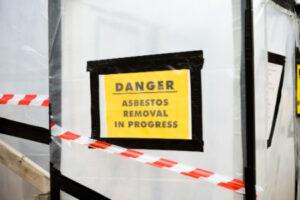
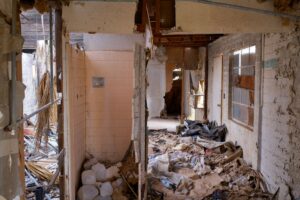
Controlled demolition is very different from simply smashing out a wall. We focus on dust control, protecting nearby clean areas, and isolating the work zone. Damaged drywall and any contaminated insulation are bagged and removed from the property. In older homes, especially, it is important to consider the possibility of asbestos in some building materials, which is why professional handling and proper testing matter.
Because Arizona Total Home Restoration also provides reconstruction, we can follow through from removal to repair. That means patching or replacing drywall, addressing texture, and getting finishes back to a pre-damage condition, rather than leaving you with an open wall and a new list of contractors to find.
Protect Your Home After the Leak Is Fixed
Once the visible damage is addressed, the final steps are about peace of mind and prevention. A thorough inspection at the end of the project helps confirm that moisture has been removed and any microbial growth has been handled. In some situations, mold testing can provide additional reassurance, especially if the leak went unnoticed for a long time.
To reduce the risk of future drywall damage, it helps to stay proactive. Regular plumbing maintenance, routine checks of roofs and windows, and keeping an eye on high-risk areas like under sinks, around water heaters, and near AC condensate lines can make a big difference. Knowing the signs of trouble and understanding when it is time to involve a water damage restoration company puts you in a stronger position the next time life throws your home a leak.
Get Started With Your Project Today
If water has damaged your home, Arizona Total Home Restoration is ready to respond quickly and restore your property the right way. Learn more about our comprehensive water damage restoration services and how we can protect your home from further issues. Reach out today through our contact us page so we can assess the damage and put a tailored restoration plan in place.