Asbestos Exposure in Arizona: What Homeowners Need to Know Right Now
If you own a home built before 1980 in Chandler, Mesa, or anywhere across the Phoenix Metro, there’s a chance your property contains asbestos. Many homeowners don’t realize the risk until they start a renovation, remove old flooring, or discover damage that requires repair. Asbestos exposure in Arizona is more common than you think, especially in older neighborhoods where building materials from the pre-1978 construction boom are still present. You might be living with it right now and not even know it.
Asbestos was widely used in insulation, ceiling texture, vinyl flooring, and roofing materials throughout Arizona during decades of rapid growth. Homes in Gilbert, Tempe, and Scottsdale built during the 1960s and 1970s often contain asbestos-based products that remain intact and undisturbed until renovation or damage occurs. The real danger starts when these materials are cut, sanded, or broken apart, releasing microscopic fibers into the air you breathe.
Understanding where asbestos hides in your home, how exposure happens, and what steps to take if you suspect its presence can protect your family’s health and keep your renovation projects safe and compliant with Arizona regulations.
Where Asbestos Hides in Phoenix Metro Homes
Asbestos wasn’t just used in one or two products. It was everywhere. If your home was built before 1980, you could find asbestos in popcorn ceilings, vinyl floor tiles, pipe insulation, roofing shingles, and even joint compound used on drywall seams. Many older homes in Mesa and Chandler still have original popcorn ceilings that require testing before removal to ensure safe handling.
Vinyl composition tile, or VCT flooring, is another common hiding spot. These tiles were installed in kitchens, bathrooms, and laundry rooms across the East Valley. When homeowners decide to upgrade their flooring, they often don’t realize the old tiles and adhesive underneath may contain asbestos. Disturbing these materials without proper precautions can release fibers into your home’s air and create a serious health risk.
Pipe insulation in older homes is another concern. If you’ve ever seen white or gray wrapping around pipes in your basement, crawl space, or utility room, that material could contain asbestos. Any time you’re dealing with home repairs or renovations in a pre-1980 property, it’s worth getting materials tested before you start cutting, drilling, or demolishing.
Why Arizona’s Building Boom Matters
Arizona experienced massive residential growth during the 1960s and 1970s, right when asbestos use was at its peak. Entire neighborhoods in Phoenix, Scottsdale, and the East Valley were built using materials that are now known to pose health risks. The Arizona Department of Environmental Quality (ADEQ) has strict guidelines for handling and removing asbestos, especially during demolition or renovation projects. Homeowners who skip asbestos testing in Mesa or other East Valley cities risk exposure and potential violations of NESHAP regulations, which govern asbestos abatement across the state.
How Asbestos Exposure Happens in Your Home
Asbestos becomes dangerous when it’s disturbed. As long as asbestos-containing materials remain intact and undamaged, the fibers stay locked in place. The problem starts when you sand a popcorn ceiling, rip up old flooring, or cut into insulation during a remodel. These actions break apart the material and release microscopic fibers into the air.
You can’t see asbestos fibers. You can’t smell them. But once they’re airborne, you can inhale them deep into your lungs, where they stay for years and cause long-term damage. Symptoms of asbestos-related illness don’t show up right away. It can take 10 to 40 years for health problems like lung scarring, breathing issues, or even cancer to develop after exposure.
What Arizona Homeowners Should Do Before Renovating
Before you start any renovation project in a pre-1980 home, you need to know what you’re dealing with. The only way to confirm whether materials contain asbestos is through professional testing. Visual inspection isn’t enough. Even experienced contractors can’t tell just by looking whether a material contains asbestos fibers.
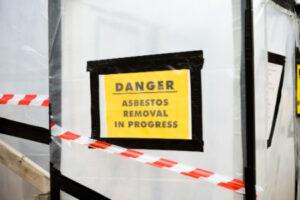
Schedule testing before you demo a bathroom, remove flooring, or scrape a ceiling. A certified inspector will collect samples and send them to a lab for analysis. If asbestos is present, you’ll need to hire a licensed abatement contractor to remove or encapsulate the material safely. Arizona ADEQ regulations require proper containment, air filtration, and disposal procedures to protect you, your family, and your neighbors from exposure.
Skipping this step isn’t worth the risk. DIY removal of asbestos-containing materials can expose everyone in your household and result in costly fines. Homeowners in Gilbert and Chandler who plan to sell their homes should also consider testing, as buyers often request asbestos inspections during the due diligence period.
Trusted Asbestos Testing and Removal in Phoenix and the East Valley
If you’re planning a renovation or suspect asbestos in your Phoenix Metro home, AZ Total Home connects you with certified professionals who follow Arizona ADEQ guidelines and NESHAP regulations. From testing to safe removal, you’ll get clear communication, reliable service, and peace of mind knowing your home is handled correctly. Protecting your family starts with understanding what’s in your walls, ceilings, and floors.
Protect Your Home and Your Health
Asbestos exposure in Arizona is a real concern for homeowners across the Phoenix Metro and East Valley. If your home was built before 1980, don’t take chances with renovation projects. Get materials tested, work with licensed professionals, and follow state regulations to keep your family safe. Contact AZ Total Home today to schedule an inspection and take the first step toward a safer, healthier home.
Frequently Asked Questions
1. How common is asbestos exposure in Arizona homes?
Asbestos is present in many Arizona homes built before 1980, especially across the Phoenix Metro and East Valley where rapid construction occurred during the 1960s and 1970s. Materials like popcorn ceilings, vinyl flooring, and pipe insulation often contain asbestos and remain undisturbed until renovation or damage occurs. Testing is the only way to know for sure if your home contains asbestos.
2. Where can I get asbestos testing near me in the Phoenix area?
You can schedule professional asbestos testing through certified inspectors who serve Phoenix, Mesa, Gilbert, Chandler, and the surrounding East Valley. A licensed professional will collect samples from suspected materials and send them to a lab for analysis. AZ Total Home connects homeowners with trusted testing and abatement professionals who follow Arizona ADEQ guidelines.
3. What should I do if I think my Mesa home has asbestos?
Stop any renovation work immediately and schedule professional testing before you disturb materials like ceilings, flooring, or insulation. If asbestos is confirmed, hire a licensed abatement contractor to remove or encapsulate the material safely. Never attempt DIY removal, as it can release dangerous fibers into your home and violate Arizona regulations.
4. Can I remove popcorn ceiling myself if my Chandler home was built in the 1970s?
No, you should never remove popcorn ceiling in a pre-1980 home without testing first. Many popcorn ceilings installed during that era contain asbestos, and scraping or sanding releases harmful fibers into the air. Get the material tested by a certified inspector, and if asbestos is present, hire a licensed professional to handle removal safely.
5. Is asbestos exposure in Arizona regulated?
Yes, Arizona ADEQ and federal NESHAP regulations govern asbestos handling, removal, and disposal. Homeowners and contractors must follow strict containment, air filtration, and disposal procedures during renovation or demolition projects. Violating these regulations can result in fines and serious health risks for your household and neighbors.
About the Author: Nathan Thue is the founder of AZ Total Home and a Certified Restoration Specialist based in Mesa. With years of experience helping East Valley homeowners navigate asbestos testing, removal, and safe renovation practices, Nathan is committed to protecting families and properties across the Phoenix Metro. Learn more about Nathan and his work here.